
A guest article by Anne Harrison
I’ve spent most of my life trying to understand how the “order of things” is supposed to work – the rules, the systems, the invisible lines we’re not meant to cross. I followed those rules meticulously, mostly out of fear. Even putting a pinkie toe over the line felt like it could bring everything crashing down.
And yet, everywhere around me, I saw people doing far worse – breaking not just rules, but people – and walking away untouched. No punishment. No shame. No consequences. Just the continued privilege of carrying on with life, business as usual.
Let me give you a simple example. Two years ago, I was too lazy one evening to park my car in the garage (please don’t tell the insurance). The next morning, I discovered my wiper blades had been stolen. I dropped the kids at school, went straight to Midas to buy a new set, and then headed to the office. I parked outside, grabbed the new blades, and walked inside to see if anyone could help me fit them.
Before I could even reach the office, the receptionist called out – a Metro cop was writing me a fine. I walked back out and, while literally holding the new blades in my hand, was handed a ticket… for not having wiper blades.
This is the level of “grace” I get when it comes to rules.
Meanwhile, I’ve been on the receiving end of actual injustice – physical, emotional, financial abuse – and none of those perpetrators ever faced any form of consequence. In fact, many of them are still out there, doing what they’ve always done, and thriving.
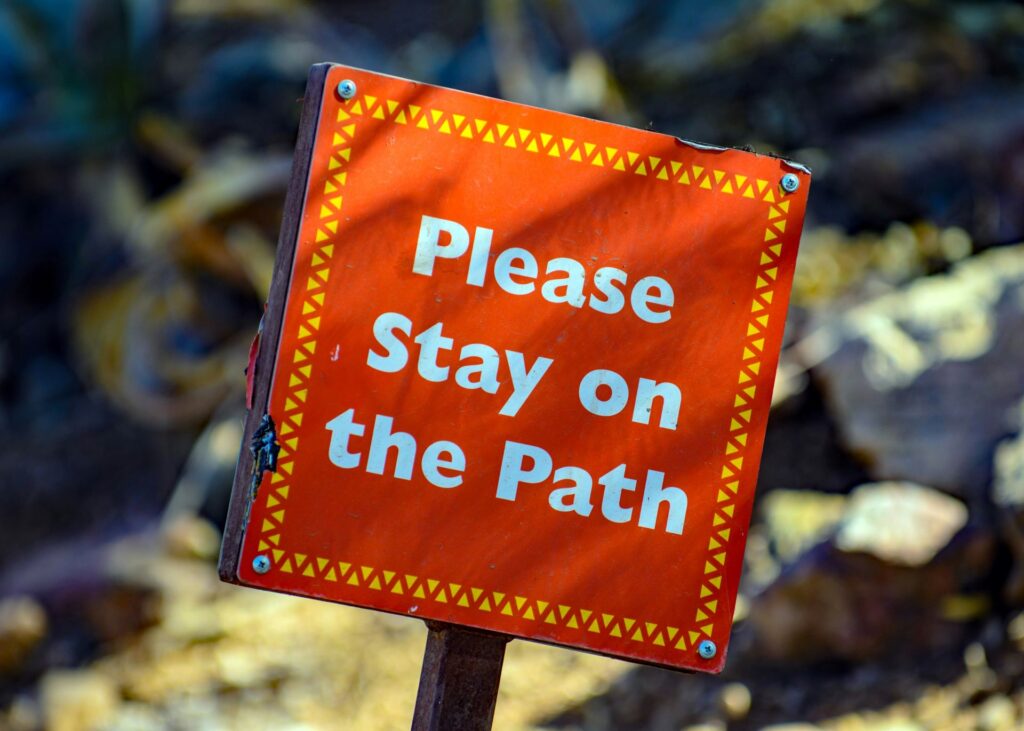
Over the years, I’ve come to a strange and painful realization: we have built a world where only victims fear consequences.
It sounds backward – because it is. But it’s the truth. Victims are terrified of speaking up, afraid of retaliation from a boss, a partner, a parent. They stay silent, not because they’re weak, but because the cost of honesty feels too high. I’ve had people reach out to me – like the desperate mother who once landed in my inbox, begging me not to “ruin her son’s life” by exposing his actions. But the truth is: his actions were ruining his life – and likely someone else’s too.
Yet this is the emotional trap victims fall into. They feel shame, guilt, even compassion for the person who harmed them. They’ve been broken down so far, they’re more worried about breaking someone else than protecting themselves.
And the villain? They know this. They thrive on it. They bully, manipulate, and threaten – not just to protect themselves, but to maintain control. Reputation is their weapon, and fear is their shield. So, the victim stays silent, and the villain moves on to their next target.
Here’s the part that hurts the most: when we stay silent, when we don’t take action, we become part of the problem. And yes, I say “we” because I’ve been there too. I’ve had blood on my hands – not literally, but morally. Because when you don’t even attempt to hold someone accountable, when you don’t use the systems available (many of which are free and accessible), when you let them get away with it… the pain they cause their next victim is, in part, on you too.
We talk so often about breaking the generational cycle of pain, especially as it relates to trauma and personal growth. We learn to protect ourselves, to set boundaries, to raise our children better. That’s important. But it’s only half the work. We also have to stop the cycle of power being held by the wrong people.
Why are we allowing abusers, manipulators, and bullies to stay in power – socially, professionally, emotionally? Why are we keeping them in these roles?
It’s time to bring them to their knees and force them to face consequences – real ones. We’re giving them their power by staying silent, by cowering, by worrying about how it might reflect on us if we speak up.
You probably already have someone in mind while reading this – someone who is toxic, abusive, or dishonest, but who somehow remains popular, influential, untouchable. Why are we protecting them?
Let’s stop.
Let’s stop supporting the villain out of fear. Stop giving them free passes because confronting them might be “uncomfortable” or “dramatic.” Accountability is not cruelty. It’s justice.
And this isn’t just about major crimes. It’s in the everyday, too – in our workplaces, our schools, our homes.
We’ve all seen the office drama queen: always on her phone, doing the bare minimum, never actually working. But when called in for a performance review, she puts on a teary show – drama at home, personal issues, a sudden emotional backstory. Management caves. “Poor thing. Try your best.”
And she goes right back to scrolling TikTok at her desk.
Meanwhile, someone in the same office is working their heart out, grinding every day, because that pay check might be the only thing standing between them and a crisis. They don’t complain. They don’t slack off. But they’re invisible.
That’s the other side of this injustice – those who genuinely show up and do the work are often overlooked, while manipulators get away with laziness, abuse, and worse.
It’s 2025. We have decades of research on narcissism, manipulation, sociopathy. We know how these behaviours operate. We’ve read the books, watched the TED Talks, shared the memes. So why are we still falling for it?
Maybe it’s time we stop just learning how to protect ourselves and start using that knowledge to finally hold these people accountable.
Let’s put them in the metaphorical naughty corner and see what happens to our lives when we no longer carry the burden of their unchecked power. Maybe then, we’ll realize we never needed to work so hard to protect ourselves – we just needed to stop protecting them.
No more silence. No more passes. Call it out.


8 comments
Lunga Gushu
Simply and concisely written! I enjoyed reading this and how relatable it is. ❤️
Brenda
Thanks so much to you both for this.
I unfortunately had to go through a massive dissosiative episode on understanding all of the above now clearly. Losing two weeks of one’s life where you still don’t know what you have done or said during the episode is so scary. But with the right care and assistance currently, I am getting stronger each day! Brenda
Anne
Well written article. We are all affected by the bullies in the workplace. I can relate to this article. When you do stand up for justice, you have to accept that you do it alone. When you look behind you for support from the other victims, they are not there. I have learnt not to be disappointed as they are just protecting their jobs and lives from retaliation, which does come.
Gail Charalambous
thank you Anne
Lisa
I definitely believe in justice and in an ideal world I’d say we should absolutely take these people down but as someone who has narcissistic family members and who has a knack for picking toxic partners I’ll say that one of the main problems is something I learned a long time ago – you have to fight crazy with crazy or not at all.
In other words, these people do not play by the rules and if you resort to legal and ethical means of taking them down, they will definitely win because they have no rules, therefore they have no limitations. There are lines we won’t cross that they will because we are good people.
The choice really is either to stoop as low as they would or rise above them and forget they even existed – that’s what they hate the most anyway, to be irrelevant. They love feeding off of any energy, including bad – we only make ourselves sick when we try to fight crazy.
It’s a fine line though and I’m definitely not supporting a victim mentality nor taking an apathetic stance. One of my favorite quotes goes something like “if you stand by and watch evil happen and do nothing you are of the same caliber as the one doing it.” All I’m saying is that if you fight, you must fight to win and break the rules if it means justice can be won.
Patricia
Well written, thought provoking and profound. Thanks
Gail Charalambous
Thank you Pat
Patricia
Well written, thought provoking and profound. Thank you Gail for this article and Anne
Comments are closed.